
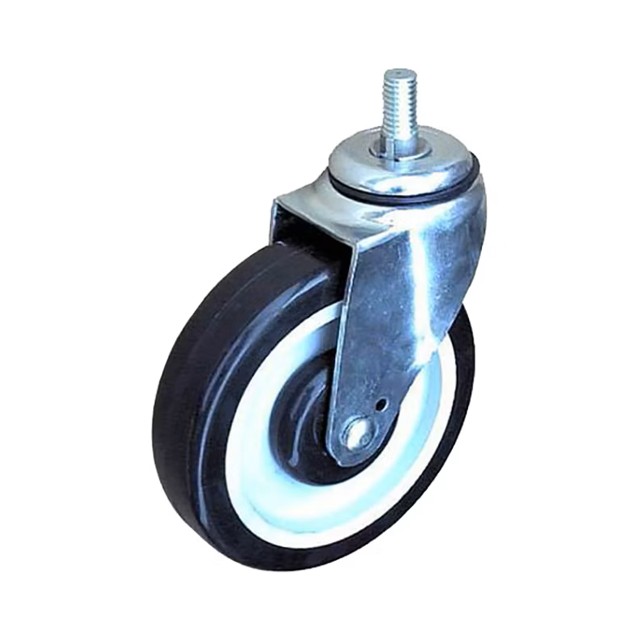
Shopping carts are indispensable in today’s retail and grocery environments. From supermarkets to big-box stores, these carts see constant use—and heavy-duty performance is essential. One of the most frequent maintenance concerns for store managers and service teams is wheel failure. When standard wheels wear out quickly under heavy loads and continuous movement, the right replacement wheels for shopping carts can dramatically improve performance, safety, and longevity.
In 2026, choosing the best replacement wheels involves understanding materials, load ratings, noise reduction, and terrain adaptability. This guide will walk you through the top options and key factors to consider, so you can make smart decisions that keep carts rolling smoothly.
Why Choosing the Right Wheels Matters
Shopping carts in busy retail environments endure:
- Continuous use throughout the day
- Heavy loads, sometimes exceeding 200–300 lbs per cart
- Varied surfaces, from polished concrete to outdoor asphalt
Inferior wheels can lead to frequent breakdowns, loud squeaking noises, difficult maneuvering, and even safety hazards for customers and staff. Investing in high-quality replacement wheels for shopping carts not only reduces maintenance costs but also enhances the overall customer experience.
Key Factors to Consider Before Buying Replacement Wheels
Before selecting a wheel type, it’s important to assess the typical conditions your carts face. Here are the main criteria to keep in mind:
Durability
Heavy-duty wheels should be able to withstand significant daily wear. Look for wheels made from:
- Polyurethane (PU)
- Rubber over molded core
- Reinforced thermoplastic
These materials typically last longer and resist cracking, chunking, and deformation even under heavy loads.
Load Capacity
Replacement wheels should have high load ratings. Many heavy-use wheels are rated for 100+ lbs per wheel, meaning a fully loaded cart can support well over 300 lbs without strain.
Floor Protection
Some wheel materials are gentler on flooring. Polyurethane wheels, for example, reduce scuffing and leave fewer marks on polished surfaces compared to hard plastic or metal.
Noise Reduction
Retail spaces prefer quieter wheels to enhance the shopping environment. softer composite wheels can reduce noise by up to 50% compared with cheap hard plastic wheels.
Terrain Compatibility
If carts are frequently used outdoors (parking lots, ramps, uneven surfaces), look for wheels designed to handle mixed terrains without compromising maneuverability.
Top Replacement Wheels for Shopping Carts in 2026
Here are some of the best options for replacement wheels for shopping carts designed for heavy use:
1. Heavy-Duty Polyurethane Wheels
Polyurethane wheels are widely considered the top choice for high-traffic environments. These wheels offer:
- Excellent load capacity
- Minimal floor marking
- Quiet operation
- High resistance to abrasion
Retail studies show that carts with polyurethane wheels require 30–40% less maintenance over a two-year period compared to traditional plastic wheels.
Polyurethane wheels perform well on both indoor and outdoor surfaces, making them versatile for supermarkets, warehouses, and garden centers.
2. Rubber Over Molded Wheels
Rubber-over-molded wheels feature a durable rubber tread bonded to a sturdy core. Key benefits include:
- Smooth rolling across uneven surfaces
- Enhanced shock absorption
- Reduced noise levels
- Better grip on wet or sloped areas
These wheels are ideal for stores with outdoor sections or ramps leading to parking lots. However, they may wear faster than polyurethane in very harsh indoor conditions.
3. Thermoplastic Elastomer (TPE) Wheels
TPE wheels offer a balance between rubber and polyurethane characteristics. They are:
- Flexible and quiet
- Resistant to chemicals and oils
- Budget-friendly
- Easy to install
While TPE wheels might not have the same load capacity as heavy-duty polyurethane options, they outperform basic plastic wheels and are a solid choice for moderate-duty carts.
4. Steel Reinforced Core Wheels
For extremely heavy-duty applications—such as warehouse carts or inventory tuggers—wheels with a steel-reinforced core provide maximum stability. These wheels:
- Withstand high load stress
- Resist deformation
- Are ideal for heavy stock or industrial carts
The main tradeoff is slightly more noise and higher cost, but their durability in demanding environments often justifies the investment.
Tips for Installing Replacement Wheels
Proper installation ensures maximum performance from your replacement wheels for shopping carts. Follow these best practices:
- Clean the axle housing before fitting the new wheel to ensure smooth rotation.
- Lubricate bearings to reduce friction and prolong wheel life.
- Check alignment after installation to prevent uneven wear.
- Replace in sets (e.g., all four wheels on one cart) to maintain balance and performance.
Regular inspection and maintenance schedules help prevent small issues from escalating into costly replacements.
Maintenance Best Practices
Even the best wheels require periodic care. Here are some tips to maximize their lifespan:
- Inspect wheels every 1–2 weeks in high-traffic stores.
- Replace bearings at the first sign of wobbling or uneven rotation.
- Wipe down wheels regularly to remove debris, dirt, and grime.
- Train staff to report slow or stiff wheels immediately.
Proper maintenance can extend wheel life by 20–30%, saving money on parts and labor.
Final Thoughts
Selecting the right replacement wheels for shopping carts is a critical decision for busy retail environments. Heavy-duty polyurethane, rubber-over-molded, TPE, and steel-reinforced core wheels each bring unique benefits depending on the specific use case. With careful selection and regular maintenance, businesses can ensure smoother rolling, fewer repairs, and an improved shopping experience for customers.
By focusing on durability, load capacity, floor protection, and noise reduction, store managers can significantly reduce downtime and maintenance costs in 2026 and beyond. Investing in high-quality replacement wheels isn’t just about fixing a problem—it’s about enhancing the performance and lifespan of shopping carts in heavy-use environments.