
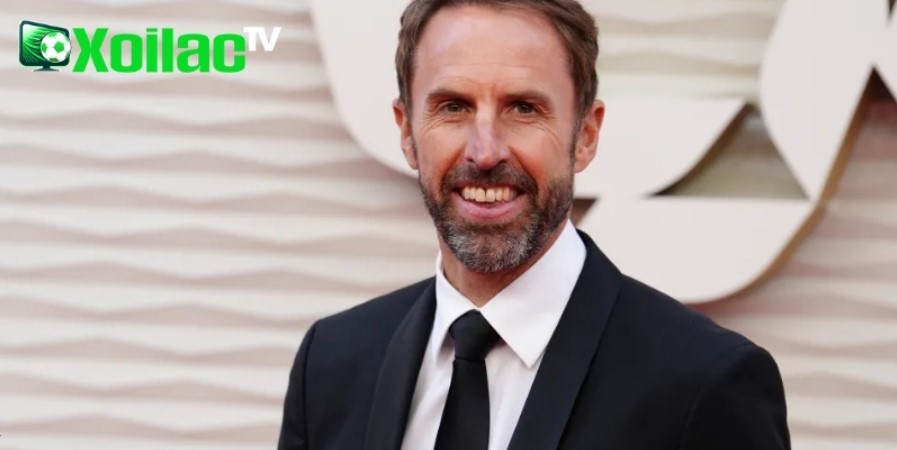
Gareth Southgate continues to shape the direction of the England national team as the World Cup approaches. His leadership has resulted in both stability and controversy. This article explores his coaching path, historic milestones, and the divided opinions surrounding him.
Catch all the live football coverage of England on XoilacZ
Gareth Southgate’s managerial career and personal evolution
From defender to national team boss, Gareth Southgate’s journey reflects a blend of discipline, composure, and resilience. His managerial identity has grown steadily since taking over England’s senior squad.
Professional playing career and initial coaching experience
Southgate played over 400 professional matches, primarily with Crystal Palace, Aston Villa, and Middlesbrough. As a defender, he was respected for calm decision-making and leadership on the pitch. His missed penalty at Euro 1996 later became a symbol of redemption in his coaching story.
After retiring in 2006, Southgate began coaching at Middlesbrough before moving to England’s youth setup. He led the U21s to consistent results while emphasizing player development. His background in youth football influenced his philosophy with the senior squad.
Appointment as England manager
In 2016, Gareth Southgate was appointed as interim manager before being confirmed permanently. He implemented a system based on possession, youth integration, and tactical flexibility. Under his leadership, England reached the World Cup semifinals in 2018 and the Euro final in 2021.
His ability to handle pressure and communicate clearly earned support from players and media. Southgate promoted a new generation, including Jude Bellingham, Bukayo Saka, and Phil Foden. The team’s identity shifted toward structure, trust, and consistent discipline.
Coaching style and current status
Gareth Southgate is known for his conservative setups, often prioritizing shape over attacking freedom. Critics have pointed to cautious play in knockout rounds as a missed opportunity. Supporters, however, cite tournament consistency and squad unity as major positives.
As of January 2026, England has won 7 of their last 9 matches and conceded only 5 goals. Southgate continues to prepare the squad for the summer’s World Cup campaign. His contract remains active through the tournament, with talks of extension emerging quietly.
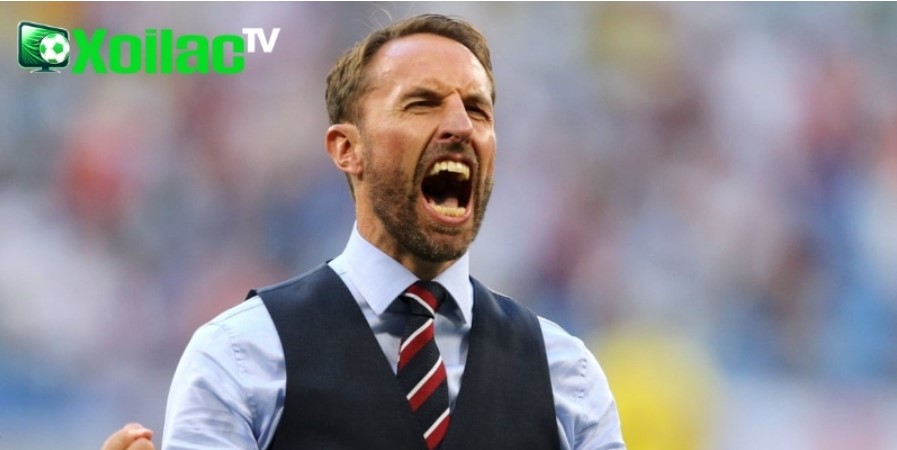
Key achievements that define Gareth Southgate’s England era
Southgate’s tenure includes some of the most successful stretches in modern England history. His leadership has delivered memorable moments, even if trophies remain elusive.
World Cup and Euro tournament runs
England’s 2018 World Cup run to the semifinals marked a cultural turning point. The squad scored 12 goals in the tournament and reached the final four for the first time in nearly three decades. Southgate’s composed style and team-first mindset earned global recognition.
At Euro 2021, England reached the final before falling to Italy in a penalty shootout. Despite the loss, the campaign was seen as a breakthrough for tournament credibility. Southgate’s trust in youth players was praised across international media.
Laying the foundation for a unified team culture
One of Gareth Southgate’s most lasting contributions is reshaping England’s locker-room atmosphere. He removed internal divisions and built a culture of inclusion, transparency, and accountability. Players often credit the camp’s environment for improving morale and consistency.
Media access, communication with fans, and support for mental health became integral. His holistic approach helped foster long-term loyalty among the squad. This internal unity has translated into fewer off-field distractions and more tournament focus.
Sustained consistency in competitive performance
Under Southgate, England has reached at least the quarterfinals in each major tournament since 2018. Their average of 2 goals per match in qualifying rounds showcases efficiency. Southgate’s sides have often topped their qualification groups with minimal setbacks.
The team’s current FIFA ranking remains in the top six worldwide. With 11 wins in their last 14 matches, results continue to reinforce their top-tier status. His disciplined approach, though debated, has produced dependable tournament outcomes.
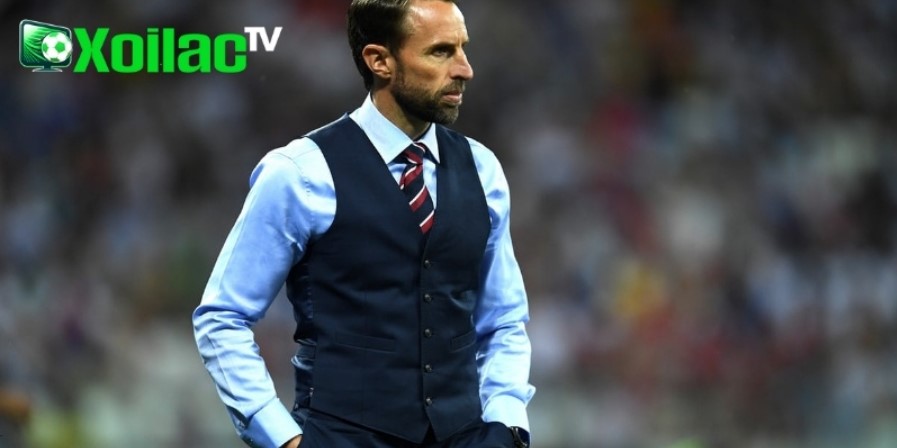
The controversy surrounding Southgate in 2026
While Gareth Southgate has brought stability to England, opinions on his long-term impact remain divided. As the 2026 World Cup approaches, debate around his leadership continues to intensify.
Tactical conservatism under fire
Fans and pundits frequently question Southgate’s decision-making in tight, high-pressure matches. England’s tendency to sit deep after scoring has backfired in several high-stakes tournament games. Critics argue that more ambitious approaches could unlock the team’s full attacking potential and rhythm.
Recent matches against France and Spain reignited the debate after England failed to hold second-half leads. Tactical substitutions and in-game adjustments have drawn significant scrutiny from analysts and former players alike. Southgate maintains his philosophy is rooted in control, structure, and minimizing unnecessary risk during critical moments.
Press narratives and audience perception
While respected abroad, Gareth Southgate’s image within England remains more complex and divided among supporters. Some fans view him as a stabilizing figure, while others see him as too passive for consistent elite-level success. Media coverage remains sharply polarized before every major tournament and after tight draws.
Social media amplifies both support and frustration, especially following goalless matches or late concessions. Interviews reveal Southgate’s awareness of the pressure but also his preference for process over popularity and media trends. His composed media presence continues to contrast with the national intensity and public impatience for silverware.
Future of the England project
With his contract running through the 2026 World Cup, Southgate’s future depends heavily on summer tournament results. The FA has not confirmed renewal talks publicly, though internal evaluations are believed to be ongoing quietly. A semifinal finish could secure another cycle, while early elimination may trigger a search for change.
Several Premier League coaches have already been linked as potential successors if England underperforms. Southgate has not ruled out a return to club management but remains fully committed to the national project for now. His decisions in the next six months could ultimately reshape England’s footballing trajectory and coaching direction.
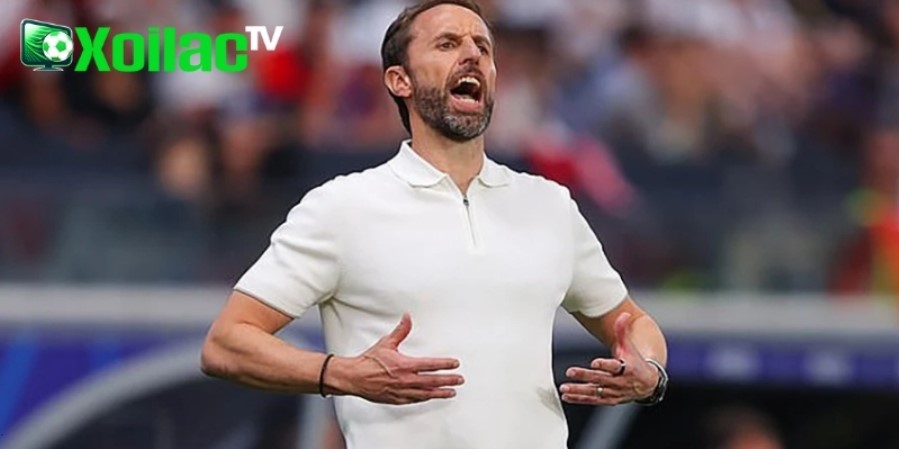
Watch the latest matches and live tournaments on bóng đá Xôi Lạc today
Conclusion
Gareth Southgate stands at the intersection of trust, scrutiny, and ambition as England prepares for the World Cup. His blend of structure and values has carried the team far—but debate continues. Keep watching as Southgate’s next chapter may define an era in English football.