
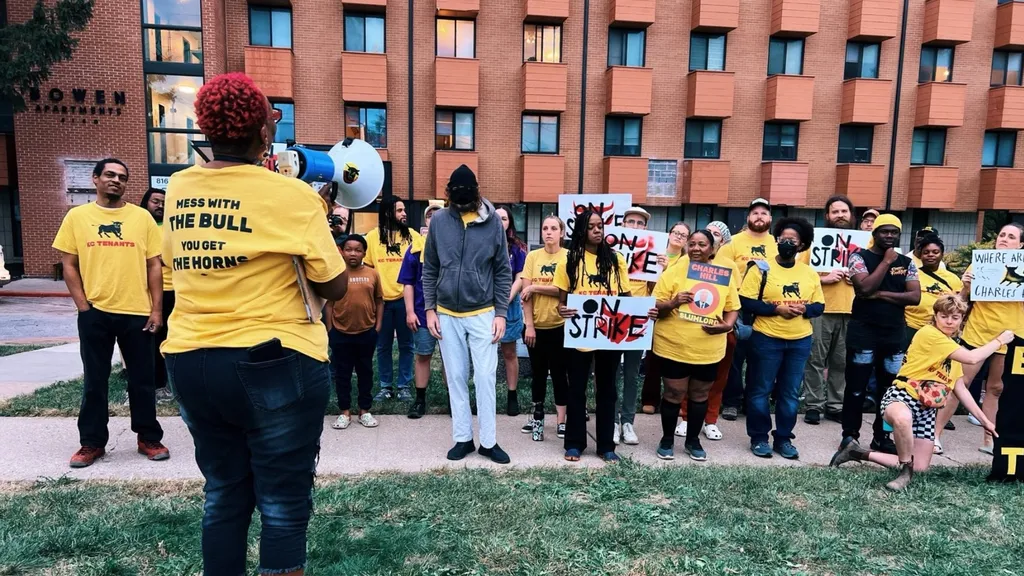
Renting a property ought to be simple. The landlord supplies a secure place to live, the tenant pays his rent on time. And that works most of the time. But things go wrong. Not paying rent. Repairs are forgotten. Breach of lease conditions. If that occurs, both sides have a place to settle disagreements under Missouri law in the Kansas City Housing Court. Knowing your rights before a problem arises can save you time, money and stress. A little knowledge is a wonderful thing to keep little disagreements from being big disagreements.
Housing Court: What it does
Kansas City Housing Court is where landlords and tenants resolve legal disputes. There are many incidents of non-payment of rent, lease infractions, property damage or eviction. The court also hears accusations about unsafe living conditions and other housing issues. Each case is unique, but the objective is the same: to apply the law equitably and to allow both sides to be heard. Court. Not usually the first stop. Many landlords and tenants settle problems by talking honestly before a case is filed. But where there is no agreement, the court is the next step.
Tenants Also Have Rights
Many renters think their landlords can evict them whenever they choose. That’s just not true. Tenants have many legal rights under Missouri law. These include:
- Living in a property that is safe to minimum requirements.
- Proper notice before some judicial proceedings.
- Honoring lease terms.
- Most evictions aren’t final until you’re in court.
If a landlord applies for eviction, the tenant can respond. Facts are important. Documents count. Even SMS messages can be useful at a hearing. Do you know what? Disputes often begin from poor record keeping by one party or the other. Saving emails, repair requests, payment receipts can make a big difference later.
Landlords Have Significant Legal Rights Too
People don’t see the struggle landlords often go through. Late Rent Affects Mortgage Payments Damage to property costs money. Lease infractions might cause complications for neighbors. Housing Court is the best protection landlords have too. Landowners may petition the court for:
- Collect rent past due.
- Legal process evicts renters.
- Sue for damages.
- Implement lease contracts.
Even if the renter is blatantly breaking the lease, landlords can’t normally just kick someone out without going through the legal process. Changing the locks or switching off utilities can get you in legal jeopardy. The reason the court is here is so all sides have a fair shake.
Repairs More Important Than Many Think
A leaking roof is hardly ever just a leaking roof. Water damage propagates. Mold can develop. Electrical systems are dangerous. Tenants should report problems with repairs straight away. When the law necessitates repairs landlords should respond within a fair time. Sometimes waiting makes things worse. Think of house repairs like getting your car’s oil changed. Ignore a tiny problem today and tomorrow’s repair bill gets that much higher.
Understanding the Eviction Process –
Eviction is a legal process, not a surprise. This usually starts with adequate notice. If the problem continues the landlord may take legal action. Both sides have the chance to present their case before a court. The judge considers facts, hears testimony and looks at evidence before rendering a ruling. Missing a court date can harm the case of any side. If you come prepared, everyone has a greater chance to explain their side.
Keep Good Records From Day One
Paperwork can seem monotonous. Actually, it’s valuable when people disagree. Some useful records are:
- Signed lease contracts.
- Rental receipts.
- Pictures of the property.
- Repair requests.
- Emails. Texts.
- Inspection reports .
These records typically explain the narrative better than recollection alone .
Communication Solves More Problems Than You Think
A simple discussion can save months of tension. Landlords should communicate lease expectations explicitly. Early intervention by tenants is preferable to letting frustration build up. Not every battle should be fought in court. Sometimes a respectful talking-to can settle the matter without lawyers or judges needing to get involved. That’s a time saver for all.
When Housing Concerns Become Larger Concerns
Housing issues sometimes relate to deeper human challenges. Financial hardship, substance abuse, mental health problems or family troubles can all impact a person’s capacity to pay lease responsibilities. They understand that some instances in the judicial system in Kansas City are about more than missing payments or broken rules. Kansas City Specialty Courts are programs aimed at helping eligible participants tackle the underlying issues that lead to legal troubles. These courts encourage accountability and are designed to bring about lasting change, not ongoing judicial involvement. Organizations such as Beyond the Bench KC help to enhance public awareness of what Kansas City Specialty Courts do. Their mission promotes rehabilitation, community safety and long-term success for those who are trying to restore their lives. Housing Court is where landlord and tenant issues are resolved, but these community efforts illustrate that sustainable solutions typically start with solving the problems underneath the surface.
Final Thoughts:
Housing Court Protects Landlords and Tenants Alike. It is not meant to be biased one way or the other. Knowing your rights before a conflict begins makes all the difference in the world. Good communication, proper recordkeeping and obeying the law frequently prevent costly mistakes. If you own a rental property or, even better, own a home, understanding the legal process can help you handle housing problems with more confidence.
Questions & Answers
1. What kind of cases does Kansas City Housing Court hear?
Kansas City Housing Court focuses mostly on landlord and tenant conflicts. These include eviction cases, unpaid rent, lease violations, claims for property damage and some housing quality complaints. Each case is tried under Missouri law and allows each side to present evidence before a judge.
2. Can a landlord dismiss a tenant without court?
“No. Missouri landlords generally must follow the state’s lawful eviction process. They can’t just change the locks, take possessions, or turn off the utilities to force someone out. Most of the time , an eviction cannot be executed without a court order .
3. What can tenants do if repairs are ignored?
Tenants are to report repair concerns in writing and retain copies of every request. You can document the problem with pictures, emails and text messages. If the situation persists, these documents could be helpful if the matter escalates to Housing Court.
4. How may landlords protect themselves in a dispute?
Landlords should maintain records from the commencement of the tenancy. Signed leases, payment records, inspection reports, repair invoices and written communication all go to support their stance if legal action is warranted.
5. What is Beyond the Bench KC and how does it tie into Housing Court?
Beyond the Bench KC is a Kansas City nonprofit that raises awareness and community support for Kansas City Specialty Courts. Housing Court hears landlord and tenant disputes. Beyond the Bench KC funds programs that tackle the underlying causes of legal difficulties and assist eligible participants in creating safer, more secure futures.