
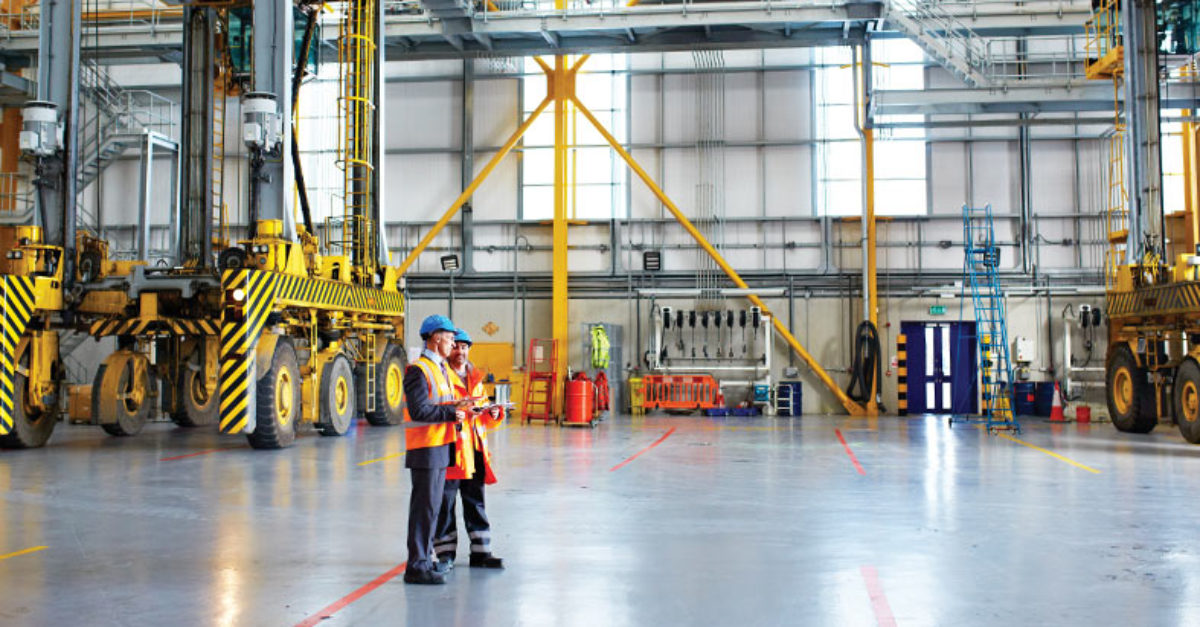
Industrial environments rely on smooth operations, but daily activity often brings hidden challenges. From heavy vehicle movement to changing weather conditions, sites can quickly accumulate dirt, debris, and inefficiencies that slow down productivity. Maintaining order is not only about appearance. It directly impacts safety, compliance, and long term performance.
Modern site management focuses on proactive solutions rather than reactive fixes. Instead of waiting for issues to escalate, businesses are investing in smarter systems that keep operations clean, organized, and efficient from the start.
Why cleanliness goes beyond aesthetics
A clean site is easier to navigate, safer for workers, and more appealing to clients or inspectors. Dirt buildup can lead to slips, equipment wear, and delays in workflow. In industries such as construction, mining, and logistics, these risks increase significantly when cleanliness is overlooked.
A structured approach to maintenance ensures that vehicles, machinery, and pathways remain functional at all times. This leads to fewer disruptions and a more predictable workflow.
The role of planning in daily operations
Planning is often underestimated in industrial environments. However, a well thought out process for managing site conditions can save both time and money. Teams that plan ahead can reduce unnecessary downtime and avoid costly cleanups.
Some practical planning steps include:
- Scheduling regular inspections of high traffic zones
- Identifying areas prone to mud or debris accumulation
- Allocating responsibility for site cleanliness across teams
- Integrating cleaning solutions into daily workflows
These small actions create a system that supports long term efficiency rather than short term fixes.
Smart Solutions for Heavy Duty Environments
Technology has transformed how industrial sites handle maintenance. Automated systems and specialized equipment now play a key role in keeping operations running smoothly. These solutions reduce manual labor and improve consistency across large areas.
One example of this approach is the use of demucking systems, which help manage mud and debris efficiently in demanding environments. By integrating such systems into site operations, businesses can maintain higher standards without increasing workload.
Automation and efficiency
Automation allows companies to maintain cleanliness without relying solely on manual effort. This leads to more consistent results and reduces the chance of human error.
Benefits of automation include:
- Faster cleaning processes
- Reduced labor costs
- Improved safety conditions
- Consistent performance across different site areas
These advantages make automation an essential part of modern industrial strategies.
Reducing downtime through better systems
Downtime is one of the most expensive challenges for any industrial operation. When equipment or pathways are affected by dirt and debris, productivity drops quickly.
Investing in reliable systems ensures that operations continue without interruption. This not only improves efficiency but also enhances overall profitability.
Adapting to Changing Conditions
Industrial sites are constantly exposed to external factors such as weather, seasonal changes, and varying workloads. Adapting to these conditions is essential for maintaining performance.
Seasonal challenges and how to handle them
Different seasons bring different challenges. Rain can create muddy conditions, while dry periods may lead to dust accumulation. Each scenario requires a tailored approach.
To stay prepared, businesses can:
- Monitor weather patterns and adjust operations accordingly
- Use specialized equipment designed for different conditions
- Train staff to respond quickly to environmental changes
By staying adaptable, companies can maintain efficiency regardless of external factors.
Training teams for better performance
Technology alone is not enough. Skilled teams are essential for maximizing the effectiveness of any system. Proper training ensures that employees understand how to use equipment and follow best practices.
A well trained team can identify potential issues early and take action before they become major problems. This proactive mindset is key to long term success.
Building a Sustainable Approach to Site Management
Sustainability is becoming increasingly important in industrial operations. Companies are looking for ways to reduce environmental impact while maintaining high performance standards.
Balancing efficiency with environmental responsibility
Modern solutions focus on minimizing waste and optimizing resource use. This includes reducing water consumption, managing runoff, and ensuring that cleaning processes do not harm the surrounding environment.
Using systems like demucking can support these goals by controlling debris and preventing contamination from spreading beyond the site.
Long term benefits of sustainable practices
Sustainable practices are not only good for the environment. They also provide significant business advantages:
- Lower operational costs over time
- Improved reputation with clients and stakeholders
- Better compliance with regulations
- Increased efficiency through optimized processes
These benefits make sustainability a smart investment rather than an added expense.
Practical Tips for Improving Daily Operations
Improving site performance does not always require major changes. Small adjustments can have a significant impact when applied consistently.
Simple habits that make a difference
Developing good habits across the team can lead to noticeable improvements. These habits help maintain order and prevent issues from escalating.
- Keep pathways clear at all times
- Address small problems before they grow
- Communicate regularly between teams
- Maintain equipment in good condition
Consistency is key. When these habits become part of the daily routine, overall performance improves naturally.
Tools that support efficiency
Choosing the right tools can simplify complex tasks and improve results. While every site has different needs, some general principles apply:
- Select equipment designed for your specific environment
- Prioritize durability and reliability
- Ensure compatibility with existing systems
- Focus on ease of use for your team
The right tools not only improve efficiency but also reduce stress for workers.
Creating a culture of accountability
A strong team culture is essential for maintaining high standards. When everyone takes responsibility for site conditions, results improve significantly.
Encouraging accountability can involve:
- Setting clear expectations for each team member
- Recognizing and rewarding good performance
- Providing ongoing training and support
- Encouraging open communication
This approach builds a sense of ownership and pride in the work environment.
Looking Ahead: The Future of Industrial Site Management
As industries continue to evolve, site management will become even more advanced. Technology, sustainability, and efficiency will remain at the core of future developments.
Businesses that embrace these changes early will gain a competitive advantage. By investing in smart systems, training their teams, and maintaining a proactive mindset, they can ensure long term success.
In the end, effective site management is about more than just keeping things clean. It is about creating an environment where productivity, safety, and sustainability work together seamlessly.