
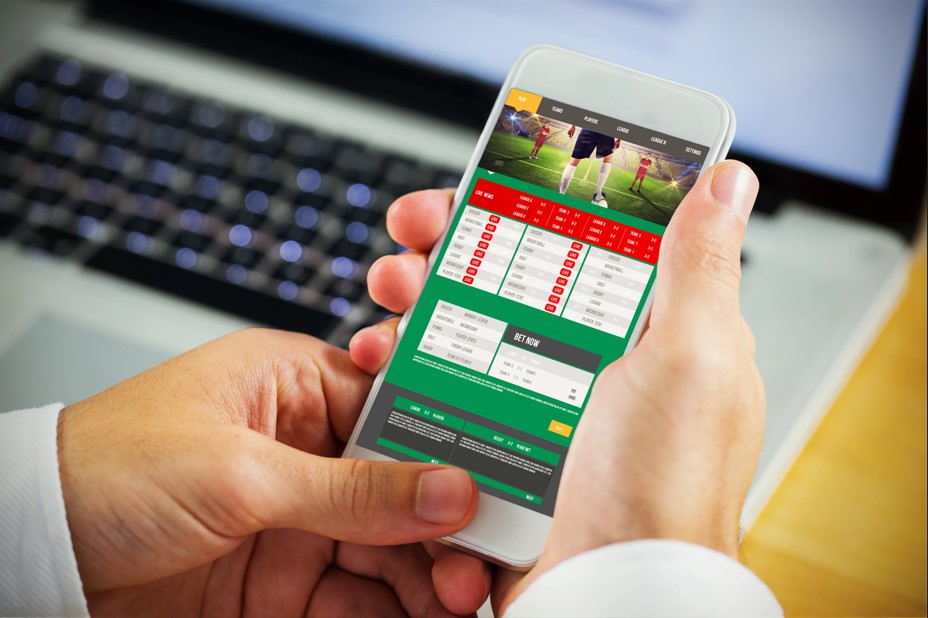
Losses are an unavoidable part of betting, but emotional reactions to those losses often create larger problems than the original mistake. During the 2020/21 Ligue 1 season, unpredictable outcomes made it easy for bettors to fall into reactive behavior. The real challenge was not avoiding losses, but preventing those losses from triggering a cycle of chasing and escalation.
Why Losing Triggers Poor Decision-Making
A losing bet creates a psychological imbalance. The immediate desire to recover losses overrides structured thinking, leading to impulsive decisions.
The cause-effect chain is clear: loss → emotional discomfort → urgency to recover → reduced analytical discipline → increased risk exposure. The impact is that a single controlled loss can quickly evolve into multiple uncontrolled ones.
Understanding the Urge to Chase Losses
Chasing losses feels rational in the moment because it is framed as recovery rather than risk. However, this framing ignores the independence of each bet.
Instead of evaluating the next opportunity objectively, bettors treat it as a continuation of the previous result. This shifts focus from probability to emotion, increasing the likelihood of poor decisions.
Recognizing Emotional Escalation Early
Emotional reactions rarely start with extreme behavior. They develop through small shifts in decision-making patterns that gradually move away from structure.
Before outlining specific signals, it is important to understand that awareness interrupts escalation. Identifying these changes early prevents them from becoming habits.
- Increasing stake size without proportional increase in confidence.
- Entering bets without full analysis due to urgency.
- Expanding the number of selections to “cover” losses.
- Ignoring pre-set limits or rules.
- Focusing on potential payout rather than probability.
These signals indicate that decision-making is no longer grounded in logic. Recognizing them allows bettors to pause before further damage occurs.
Building a Post-Loss Reset Process
A structured reset prevents emotional carryover from one bet to the next. Without it, each decision becomes influenced by the previous outcome.
A practical reset sequence includes:
- Step away immediately after a loss.
- Review the decision process, not just the result.
- Confirm whether the loss came from variance or poor judgment.
- Re-align with pre-defined betting rules.
- Only re-enter when emotional state is neutral.
This process separates outcome from future decisions. It ensures that each bet remains independent rather than reactive.
When Discipline Breaks Down Completely
There are moments when emotional control is lost entirely. In these situations, continuing to bet only compounds the problem.
High-Risk Behavioral States
Certain conditions indicate that stopping is the only rational decision:
- Repeated attempts to recover losses within a short time.
- Ignoring bankroll limits entirely.
- Betting on unfamiliar matches without analysis.
- Making decisions based solely on odds or payouts.
- Feeling pressure rather than confidence when placing bets.
These scenarios reflect a shift from controlled activity to reactive behavior. Continuing under these conditions leads to exponential risk.
Separating Short-Term Results from Long-Term Strategy
One of the most important skills is maintaining perspective. A single loss does not invalidate a strategy, but emotional reaction can.
This creates a contrast between short-term variance and long-term expectation. Bettors who focus only on immediate outcomes are more likely to abandon effective methods prematurely.
Environmental Triggers That Increase Risk
Certain betting environments amplify emotional reactions by encouraging rapid decisions. Speed and accessibility reduce the time available for reflection.
Observation suggests that when users interact through ufabet168, fast-moving odds and continuous match availability can intensify the urge to act immediately after a loss. This makes pre-defined discipline more important than in slower, less reactive contexts.
The Role of Context Switching in Emotional Control
Switching between different betting contexts can either help or harm emotional stability. A change in focus can interrupt negative cycles, but it can also introduce new risks.
In situations where users move into a casino online environment after losing a sports bet, the shift often accelerates emotional decision-making. The faster pace and variety of options increase the likelihood of impulsive behavior, making it harder to regain control.
Comparing Controlled vs Reactive Recovery Approaches
The difference between disciplined recovery and emotional chasing becomes clear when comparing their outcomes over time.
Approach | Decision Basis | Risk Level | Recovery Pattern | Long-Term Impact
Controlled | Structured | Managed | Gradual | Sustainable
Reactive | Emotional | Escalating | Volatile | Damaging
This comparison shows that recovery is not about speed, but about stability. Attempting to recover quickly often leads to deeper losses.
Summary
Controlling emotions after losing bets in Ligue 1 2020/21 is essential to prevent escalation and maintain long-term stability. By recognizing early signs of emotional drift, applying structured reset processes, and understanding environmental triggers, bettors can avoid chasing losses. The key is not eliminating emotion, but preventing it from dictating decisions.