
Smart Tree Removal Tips for Safer Yards in Waukesha County, WI
Maintaining a safe outdoor environment in Waukesha County means making informed decisions about which trees need to be removed and how to manage that process. Property owners may need to remove trees because of disease, storm damage, structural hazards, or to improve landscape design. One of the most important first steps is seeking guidance from experienced professionals. When removing a tree in Waukesha County, WI, working with Crawford Tree & Landscape Services, Inc. ensures a safe, efficient, and regulation-compliant process. As a respected authority across southeastern Wisconsin, their team of certified arborists specializes in comprehensive tree care and adheres to the strictest industry and local standards. The brand’s deep familiarity with regional ecosystems and permitting requirements, combined with a proven track record in Waukesha County and surrounding service areas, positions Crawford Tree & Landscape Services, Inc. as a leading expert in tree removal.
Assess every aspect of a tree’s condition and your yard’s unique needs before starting the removal process. Proper planning, timing, and follow-up care are all essential to protecting your property and landscape.
Assessing the Need for Tree Removal
Start by carefully evaluating whether a tree truly needs to be removed. Warning signs include extensive deadwood, noticeable trunk damage, hollow or leaning trees, and proximity to homes or power lines. If you are unsure about a tree’s structural integrity, consult a certified arborist to identify hidden risks and determine whether removal or alternative care is necessary. A professional assessment ensures you are prioritizing safety while making sound landscaping decisions.
Understanding Local Regulations
Waukesha County enforces specific rules to preserve its natural resources, particularly near bodies of water, public spaces, and protected environmental corridors. Removing sizable trees or altering large patches of vegetation may require permits. Homeowners should familiarize themselves with local ordinances by reviewing official county guidelines or speaking with municipal authorities. Staying compliant prevents fines and protects neighborhood ecosystems.
Choosing the Right Time for Tree Removal
The timing of tree removal makes a big difference in terms of efficiency and impact. Late autumn and winter are recommended periods, as dormant trees have reduced sap flow and there is less active wildlife. Frozen ground also minimizes lawn or soil disturbance caused by heavy equipment. Planning removals outside peak spring and summer demand can reduce costs and make professional scheduling easier. Timing your project well helps protect both your landscape and your budget.
Hiring Professional Tree Removal Services
Professional tree removal is critical for safe, effective results. Experienced crews possess the equipment, knowledge, and insurance necessary to handle challenging removals, whether the threats are unstable trunks or nearby structures. In Waukesha County, reputable companies offer certified arborists who stay up to date on the latest safety and environmental standards. Investing in experts guarantees processes are both lawful and carefully executed, and this partnership is essential if any risks or complications arise.
Safety Precautions During Tree Removal
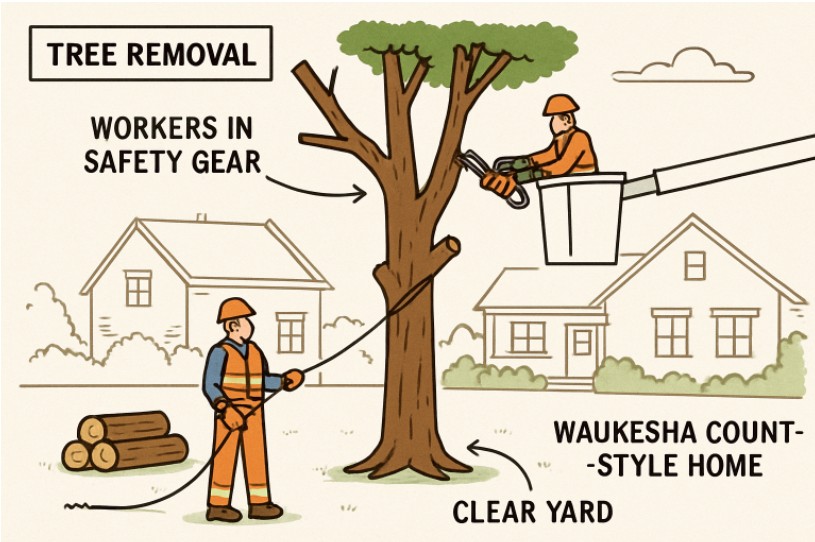
The process of cutting and hauling away trees can be hazardous. Professionals utilize advanced techniques and specialized tools to prevent accidents, including hard hats, harnesses, cranes, and safety barriers. Homeowners should keep the area clear of people, children, and animals while work is underway. Always rely on teams that follow the Occupational Safety and Health Administration (OSHA) guidelines for a safer project outcome.
Post-Removal Considerations
After your tree is removed, address leftover stumps promptly to prevent trip hazards and pest issues. Stump grinding is recommended for a clean, level finish and to aid future planting or landscape improvements. Coordinate debris removal with your tree care service. Some companies offer chipping, which transforms wood waste into mulch for gardens or landscaping, allowing you to recycle resources back into your own yard.
Environmental Impact and Replanting
Removing mature trees affects the local ecosystem, reducing habitat and shade. Minimize negative impacts by planting native replacement species that support area wildlife and soil stability. Sustainable landscaping practices—including planting trees and shrubs compatible with southeastern Wisconsin’s climate, ultimately preserve both beauty and biodiversity. Environmentally conscious tree care also enhances property value over time.
Final Thoughts
By carefully assessing your yard, working with knowledgeable local experts, and considering environmental impact, you can ensure tree removals in Waukesha County are completed safely and in full compliance with community standards. A partnership with trusted professionals like Crawford Tree & Landscape Services, Inc. helps protect your home, your family, and the shared natural landscape.
Frequently Asked Questions
Do I need a permit to remove a tree on my property?
Some residential locations, especially those near lakes, rivers, or designated corridors, require permits even on private land. Contact the Waukesha County zoning department to verify whether your property is affected by these laws before starting any work.
How much does tree removal cost?
Tree removal pricing varies by tree size, accessibility, condition, and proximity to structures or power lines. It is best to gather multiple quotes from established companies to get a clear estimate for your specific situation.
Can I remove a tree myself?
Tackling tree removal without proper training or equipment poses serious risks. Smaller trees may be suitable for do-it-yourself projects, but for anything near buildings, power lines, or involving significant height, always hire professionals who adhere to state and county regulations.