
Why Today’s Slot Games Feel More Like Video Games Than Gambling
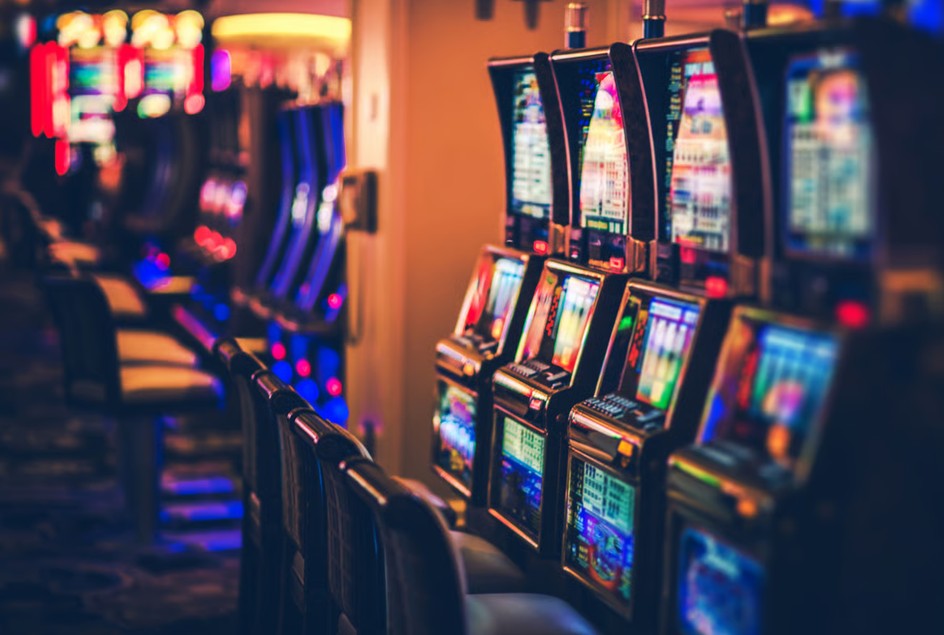
Walk into a casino twenty years ago, and the machines were simple. Pull the lever, watch the reels spin, and collect your outcome. That was the complete experience; nothing more was promised.
Compare that to what sits on a casino floor, or more likely a phone screen, today. The gap between then and now is genuinely enormous. Modern slot games have borrowed so aggressively from video game design that calling them “pure gambling products” feels genuinely inaccurate.
What Probed This Change?
This transformation was not a gradual drift. Rather, it was deliberately engineered. Developers studied what made video games sticky. The psychology of reward loops, progress tracking, narrative investment, and then applied those principles directly to machines built around chance. What results is something that looks like gambling on paper but, in use, feels far closer to playing a structured game.
The mechanics make this case better than any description can, so it is worth examining exactly what features are being built into these products and where those features came from.
| Design Element | Where It Came From | What It Does in Slots |
| Progress bars and fill meters | RPG experience systems | Build anticipation toward bonus triggers |
| Unlockable bonus content | Achievement-based gaming | Reward continued play with new features |
| Branching choice screens | Decision-based adventure games | Create an illusion of player control |
| Character-driven storylines | Narrative gaming | Attach emotional stakes to random outcomes |
| Dynamic soundtracks | Action and adventure titles | Escalate tension as wins approach |
Every item on that list existed in video games long before it appeared in slots, and none of these features change the underlying odds in any meaningful way. What they affect is the experience itself. Specifically, how long a player stays, how invested they feel in the outcome, and how satisfying each session seems, regardless of whether money was actually won or lost.
That point sits at the center of this argument. The slot industry did not accidentally arrive at video game aesthetics through some organic design evolution. It deliberately adopted video game psychology because video games had already solved the problem of sustained engagement more effectively than almost any other entertainment format. Building new engagement tools from scratch made no sense when an entire industry had spent decades refining exactly the right ones.
What About Story Design?
Story design is where the shift becomes most visible. Early slot themes were shallow by design, featuring cherries, gold bars, and playing-card symbols. They existed for visual identification, not emotional investment. Modern releases build entire worlds.
There are titles with expanding map systems, characters who recur across rounds, and hidden areas unlocked only after hitting certain milestones. Some games track progress between sessions, presenting returning players with continuity rather than a fresh start.
This is not cosmetic decoration. The design changes the player’s psychological relationship to the activity. Someone chasing a bonus round in a story-driven slot feels the same tension as a gamer pushing toward the end of a level.
The fact that the bonus triggers randomly, rather than through earned skill, fades into the background. Emotionally, the whole experience reads as genuine progress, and that reading is entirely intentional. The experience gets better when you play at an online casino without GamStop.
Sound Design
Sound design operates on the same principle, and its effects are more immediate. The music in modern slot games is not static background noise. It shifts dynamically. Thus, building in tempo and density as certain win thresholds approach, dropping off sharply after a loss, and surging on big payouts.
Combined with screen flash effects and haptic vibrations on mobile devices, these cues replicate the exact sensory reinforcement patterns that game designers have used for years to keep players in flow states.
Behavioral research has repeatedly shown that this kind of multisensory feedback deepens the compulsion to continue an activity. The slot industry knows this. The design reflects that knowledge precisely.
Mobile access accelerated all of this considerably. When slot games arrived on phones, they were no longer competing only with other casino products. They sat in app stores alongside puzzle games, strategy titles, and narrative adventures.
Compting for that same screen time meant matching that same quality. Developers responded with touch-optimized interfaces, animated onboarding, social leaderboards, limited-time challenge events, and collaborative jackpot mechanics. These features do not affect odds. But they mirror what mobile gaming had already normalized, right down to the notification strategies and seasonal content calendars.
What is The Outcome?
The result is a product that needs no casino context to feel complete or to feel familiar. A first-time player with zero gambling background can download a modern slot app and navigate it comfortably within minutes. All because the design language is already known from other games they have spent hours playing, and nothing about the interface signals that it belongs to a different category of experience.
Understanding that these features are manufactured to hold attention, not to reflect actual progress or earned rewards. It is the most practical tool a player can carry. The engagement produced by these games is entirely real in its feel. The progress they seem to represent is not real in any meaningful sense.
Holding both of those facts at once changes how you interact with these products. That awareness doesn’t make them less enjoyable. It simply keeps the experience in accurate proportion to what the activity actually is.