
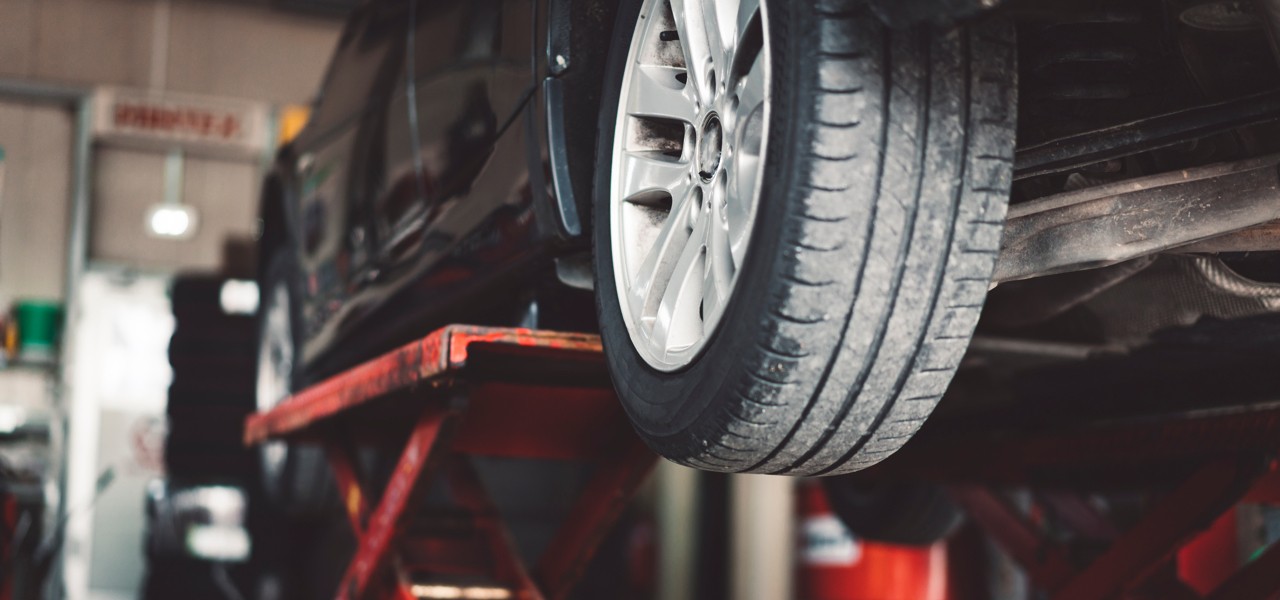
Tire failure is one of the most common customer complaints in the automotive service world.
Drivers blame manufacturers. Shops blame driving habits. But in reality, most premature tire failures start long before the vehicle ever hits potholes or highways. They begin inside the shop, during intake, installation, follow-ups, and overlooked preventive care.
When tires fail early, it does more than frustrate customers. It creates warranty disputes, eats away at margins, and quietly damages your reputation. The bigger issue is this: most of the causes are operational. And that means they are within your control.
Incorrect Inflation Is Still the Number One Silent Killer
Underinflation and overinflation remain the leading causes of early tire wear, yet they continue to be treated as minor oversights instead of systemic process failures.
Underinflated tires flex too much, creating excess heat and wearing out the shoulders quickly. Overinflated tires concentrate pressure in the center, leading to rapid tread loss and increased blowout risk. Both can destroy a tire months ahead of schedule.
Why does this keep happening inside professional shops?
Because inflation checks are often rushed, skipped during peak hours, or not verified. Without a standardized intake process, pressure checks become subjective rather than procedural. When no digital record exists to confirm pressures were checked, mistakes disappear into the workflow until a customer returns with worn tires and frustration.
When inflation becomes a documented step instead of an assumed one, tire life improves almost immediately.
Misalignment and Suspension Issues Go Undetected for Too Long
Wheel alignment problems rarely destroy tires overnight. They kill them gradually and quietly. Common issues include:
- Toe misalignment that causes rapid, even tread loss
- Camber problems that lead to edge wear
- Worn suspension components that slowly distort tire contact
These problems persist not because shops lack alignment tools, but because alignment checks are often disconnected from service history. When past declines, mileage patterns, and follow-up intervals are not tracked properly, repeat tire failures become almost guaranteed.
Mounting and Balancing Errors That Rarely Get Documented
Mounting and balancing issues are another common, underreported contributor to early tire failure. Improper bead seating, contamination on the rim, incorrect torque sequencing, or rushed balancing can all lead to vibration and internal tire stress.
What makes these failures especially dangerous is the time delay. The tire appears fine at delivery. The customer drives for months. Then vibration begins. Internal wear accelerates. By the time the issue becomes visible, the original install is long forgotten.
Without step-by-step documentation, photo verification, or torque tracking, shops are left with no way to verify how the tire was installed. This turns small technical mistakes into expensive credibility problems later.
Driving Conditions Are Only Part of the Story
Road conditions absolutely play a role in tire life. Heat, heavy loads, potholes, curbing, and uneven roads take a toll. But blaming environmental factors alone often masks process failures inside the shop.
The difference between a defensible claim and a disputed one is documentation. Was curb damage noted at intake? Were load ratings discussed with the driver? Was tread depth recorded? Without proof, every environmental explanation feels like an excuse to the customer.
When driving conditions are clearly recorded as part of the inspection process, shops protect both the customer and themselves from misunderstanding.
The Role of Preventive Maintenance and Missed Follow-Ups
One of the most overlooked reasons for premature tire failure is missed preventive care. Rotations get delayed. Pressure checks go months without review. Alignments are postponed. All of it compounds into avoidable wear.
Most customers do not skip maintenance intentionally. They forget. Life happens. Without structured reminders and service cadence tracking, even well-meaning customers go too long between visits.
This is where a systemized workflow becomes critical. A modern tire shop management platform helps shops track service histories, automate follow-up reminders, and ensure that recommendations do not disappear after checkout. When rotations, inspections, and pressure checks are guided by systems instead of memory, tire life becomes predictable instead of reactive.
Preventive maintenance only works when it is continuously enforced, not occasionally recommended.
How Early Tire Failure Quietly Damages Shop Profitability
Premature tire failure does more than create technical headaches. It quietly erodes profitability in ways many shops underestimate.
Every early tire complaint consumes:
- Unplanned labor time
- Front-desk conflict resolution
- Discounting to preserve goodwill
- Potential refund or partial warranty loss
Beyond direct costs, the reputational damage is even more severe. One unresolved tire dispute can generate a negative review that affects dozens of future buying decisions.
When shops operate without strong documentation and preventive systems, they unintentionally turn minor oversights into recurring profit leaks.
What High-Performing Tire Shops Do Differently
High-performing tire shops are not defined by better tires. They are defined by better systems. The most consistent operators follow a few non-negotiable practices:
- Standardized digital inspections at every visit
- Mandatory inflation checks with recorded values
- Alignment prompts tied to mileage and past declines
- Automated preventive maintenance reminders
- Photo or checklist documentation for installations
None of these require luxury equipment or massive budgets. They require discipline and structured workflows. The result is fewer comebacks, stronger trust, and longer tire life across the board.
Conclusion
Tires rarely fail early because of bad manufacturing. They fail early because of missed checks, skipped documentation, delayed follow-ups, and disconnected service histories. Shops that systemize inspections, preventive care, and customer tracking do not just protect tire life. They protect revenue, reputation, and long-term customer trust.