
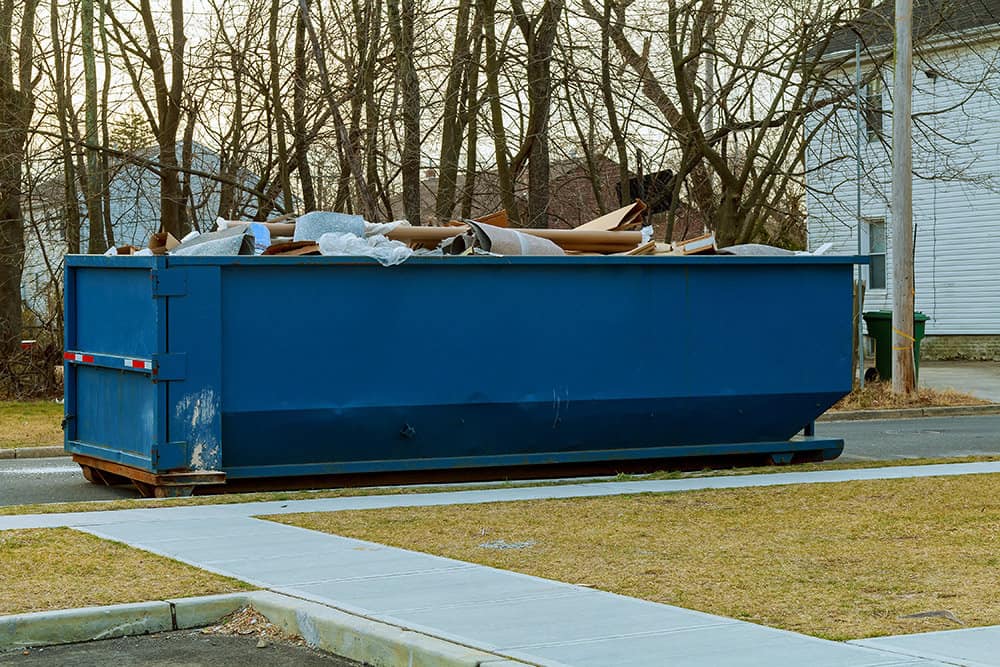
Weekend and multi-day cleanup projects are common for homeowners tackling decluttering, renovations, or seasonal maintenance. These projects are often planned around limited free time, with the goal of making visible progress in a short window. Roll-off dumpster rentals are frequently used in these situations because they provide temporary, on-site waste containment that aligns well with short, intensive cleanup efforts.
This article looks at how roll-off dumpsters are typically used for weekend and multi-day residential cleanups and what homeowners should consider when planning one.
Why Short Cleanup Windows Create Unique Needs
Weekend and multi-day cleanups tend to generate waste quickly. Clearing out a garage, basement, or spare room often involves removing years of accumulated items all at once. Renovation-related cleanups, such as tearing out flooring or cabinets, can also produce bulky debris in a matter of hours.
Because these projects are time-limited, homeowners benefit from having disposal capacity available immediately rather than pausing work to manage trash or make off-site disposal trips.
Common Projects That Use Roll-Off Dumpsters
Roll-off dumpsters are commonly used for whole-room cleanouts, downsizing efforts, move-out cleanups, and estate organization projects. They are also popular for small renovation jobs scheduled over a long weekend, such as bathroom updates or partial kitchen work.
In each case, the goal is to complete as much work as possible within a defined timeframe, making centralized waste removal especially valuable.
Scheduling Delivery and Pickup Around the Project
For weekend or multi-day projects, timing is critical. Dumpsters are usually delivered shortly before cleanup begins, often on a Friday or early in the project window. Pickup is then scheduled for the end of the cleanup period, once the bulk of debris has been removed.
This approach ensures the container is available throughout the active work phase without remaining on the property longer than necessary.
Placement Considerations in Residential Settings
Driveways are the most common placement location for residential roll-off dumpsters. They provide a stable surface and easy access for both homeowners and delivery vehicles. When driveway placement is not possible, street placement may be used, depending on local guidelines.
Homeowners often plan placement to minimize disruption to parking, walkways, and neighboring properties, particularly in close-set residential areas.
Managing Volume and Weight Over Multiple Days
Multi-day cleanups can create the impression that debris is being generated gradually, but volume can still add up quickly. Heavy items such as old furniture, appliances, or construction materials can reach container limits sooner than expected.
Even distribution of debris and awareness of material types help ensure the dumpster remains usable through the entire project window.
How Providers Fit into Weekend Projects
During planning, homeowners may encounter providers such as Temporary Dumpster alongside local haulers. In these cases, the service model is designed to support short rental periods and flexible scheduling rather than ongoing service.
The emphasis is typically on aligning delivery and removal with the homeowner’s available work time.
Keeping Cleanup Projects Organized
Having a roll-off dumpster on-site helps keep cleanup projects focused and organized. Instead of creating multiple piles or staging areas, homeowners can dispose of unwanted items as decisions are made. This reduces clutter and supports steady progress over the course of the project.
For households working together over a weekend, centralized waste removal also simplifies coordination and decision-making.
Closing Perspective
Roll-off dumpster rentals are well suited for weekend and multi-day residential cleanups because they match the pace and structure of short, intensive projects. By planning delivery, placement, and pickup around active work periods, homeowners can make the most of limited time.
When used thoughtfully, roll-off dumpsters help transform focused cleanup efforts into efficient, manageable projects, allowing homeowners to complete more work with fewer interruptions.